

Hey everyone, it’s Jake from the cat eye glasses frames team – today we’re answering one of the most common questions we get from customers: “Can I actually get progressive lenses in cat eye frames?” Let’s cut through the confusion here, because if you’re like a lot of folks who love retro cat eye style but need vision correction that works for near, mid, and far distances, this is make-or-break info.
First off, let’s break down what progressive lenses are, just to make sure we’re all on the same page. Unlike single-vision lenses which only correct one distance (like distance for driving or near for reading), progressives have that seamless, no-line gradient that lets you switch between all three – far, mid, near – without switching glasses. Super convenient, no bulky bifocals or boring trifocals to deal with. But the thing is, these lenses need a little extra space to work right, right? That’s where frame shape and size come in, especially with cat eye frames, which have that iconic upswept outer edge that gives them their retro vibe.
So here’s the big question: Is it even possible to fit progressives into cat eye frames? The short answer is YES – but there are some important factors to keep in mind, and we’ve helped tons of customers pull this off successfully, so I’m breaking it all down for you.
First up: Frame dimensions. The key number here is the “minimum vertical lens height” that progressives need. Most standard progressives need at least 18-20mm of usable vertical space in the lens blank. Cat eye frames vary a lot – some are slimmer and more petite, others have a more substantial lens shape that gives you that extra space. Let’s say you’re eyeing a super tiny cat eye frame – if the vertical height is only 17mm, that’s probably too tight, and you might get “visual swim” or not enough area for the near vision part. But if you go for a mid-sized or slightly larger cat eye frame, you’re golden. That’s why we always recommend checking the frame’s vertical measurement before you order – if you’re shopping with us, just hit our product pages and look for the “lens height” spec, or shoot us a note, we’ll hook you up.
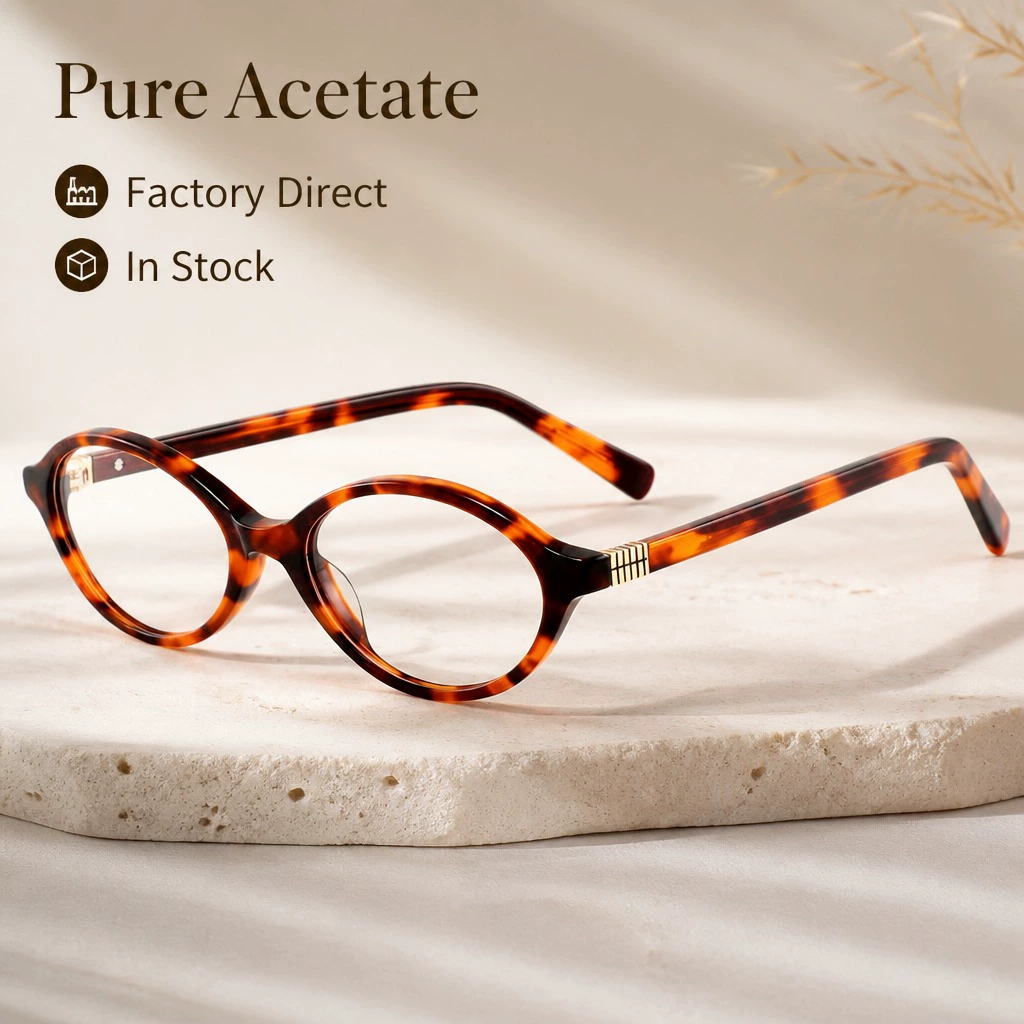
Next, the frame’s overall design. Cat eye frames come in all materials and styles, and some work better than others for progressives. Acetate is a super popular material for our cat eye frames, because it’s durable, holds its shape, and can be molded into those perfect upswept edges. We have great options in acetate – if you’re looking for quality, check out our High Quality Optical Glasses collection, which has a range of cat eye acetate frames tailored for progressive lenses. Wait, another thing: rim style. Full-rim frames are actually better for progressives than half-rim or rimless, because they hold the lens securely and keep the shape stable, which helps the progressive’s fit. Half-rim might work if the frame is big enough, but full-rim is the safer bet for most people.
Then there’s the fit on your face. Cat eye frames are known for being a bit retro and sometimes sit higher on the bridge of your nose? No, not exactly – but the position of the frame can affect how well the progressive lines up with your eyes. For example, if a cat eye frame is too low, the bottom of the lens might hit your cheeks when you look down, which would block the near vision zone. That’s why we always recommend getting your frames fitted by a pro if you’re able, but if you’re ordering online, just make sure to input your correct pupillary distance (PD) – that’s the distance between your two pupils, which is crucial for progressives to line up right. Mess that up, and even a good frame won’t work as well. Speaking of online shopping, if you’re into that vintage cat eye look, our Vintage Acetate Frames line has some great options – just double-check the dimensions because some vintage-inspired styles are slimmer.
Wait, let’s talk about common myths here. Some people think that because cat eye frames have that upswept edge, the progressive lens’s corridor (the central part that lets you switch distances) gets messed up. Nope, that’s not true – as long as the overall frame size is right, the upswept edge is just a style detail, it doesn’t affect the lens’s functional area. I’ve seen customers rock cat eye progressives at work, when driving, even when reading a book without any issues. My mom actually has a pair of our mid-sized cat eye frames with progressives, and she swears by them – she used to hate switching between her reading glasses and distance glasses, and now she only needs these.
Another tip: If you’re worried about the fit, talk to your optometrist first. They can tell you if your prescription is a good match for progressives, and they might even have recommendations for frame sizes. Once you have that go-ahead, come check out our selection. We have everything from slim cat eye frames for a more subtle look (Thin Acetate Glasses Frames, if you’re into that) to bolder styles that give you all the space you need for progressives. And if fashion is your main thing, our Fashion Optical Glasses line has cat eye frames in tons of colors – tortoiseshell, black, even fun pastels – that work perfectly with progressives.
Wait, what about lens thickness? If you have a higher prescription, don’t worry – progressive lenses adapt pretty well, and cat eye frames hide thickness pretty well, especially with acetate. Acetate frames tend to cover the edges of the lens, so you don’t have that bulgy look that sometimes happens with strong prescriptions in other frame shapes. That’s another plus for going with cat eye frames for progressives – they’re stylish and flattering, even if your prescription is on the stronger side.
Let me also address a possible concern: visual distortion. Some people say progressives can cause a little distortion on the outer edges, and that’s true for any progressive lens, not just in cat eye frames. The good news is, modern progressive lenses are way better than the old ones – they have wider near zones and less distortion, especially when paired with a well-fitted frame. If you go to a reputable optician who makes the lenses to fit your exact frame and PD, that distortion is minimal, you probably won’t even notice it.
So putting it all together: Yes, you can absolutely get progressive lenses in cat eye glasses frames. The key things to remember are: pick a frame with enough vertical lens height (18mm minimum, ideally more), choose a full-rim acetate frame for stability, make sure you input your correct PD, and maybe run it by your optometrist first if you’re new to progressives.
Now, if you’re ready to shop for cat eye frames that work great with progressives, head over to our site. We have all those styles I mentioned – from High Quality Optical Glasses to Thin Acetate Glasses Frames, Vintage Acetate Frames, and Fashion Optical Glasses – all with detailed specs so you can pick the right size for your needs. And if you have questions about which frame would be best for your progressive lenses, our team is here to help – just reach out and we can walk you through the options. Whether you’re grabbing a pair for daily wear or something for special occasions, cat eye frames with progressives are totally doable, and you don’t have to sacrifice style for functionality.
Don’t let anyone tell you cat eye frames are only for fashion or single vision lenses. Progressives are a game-changer for people who need all-around vision, and pairing them with a cat eye frame lets you get that retro, chic look without compromising on comfort or function. Trust me, we’ve done this a ton, and our customers keep coming back for more pairs once they see how well they work.
If you’re looking to bulk order cat eye frames for your retail store or want to chat about custom options for progressive lenses, feel free to get in touch with our procurement team. We work with retailers and opticians all over, and we can help you find the right cat eye frames that pair seamlessly with progressive lenses for your customers. No matter what your needs are, we’ve got you covered when it comes to quality, style, and fit.
References:

- American Academy of Ophthalmology. (2022). Progressive Lenses: What They Are and How They Work.
- Vision Council. (2023). Frame Selection for Progressive Lenses: Key Considerations for Optimal Fit.
- International Standards Organization. (2021). Ophthalmic Optics – Spectacle Lenses – Progressive Addition Lenses.
- Eyewear Design and Manufacturing Association. (2022). Acetate Frames: Durability, Fit, and Compatibility with Progressive Lenses.


