

Hey there, let’s cut to the chase—if you’ve ever worn glasses, you know how much a frame can make or break your whole day. Especially when that frame’s made of propionic material (yeah, I see you, those are the lightweight, durable ones we supply at our shop), the last thing you want is for it to flake, warp, or snap when the weather throws something weird at you. I’ve been in the propionic eyeglass frames game for a few years now, and let’s be real—we get tons of questions from customers: “How does this stuff hold up in the middle of a Florida summer?” “Will it crack when I ski in the Rockies?” “What about that weirdly humid + cold combo I get in the Pacific Northwest?” Today, I’m breaking this down, no fancy jargon, just real performance data and what we’ve actually seen on the ground with our Classic Business Eyewear Frames—definitely check those out, by the way.
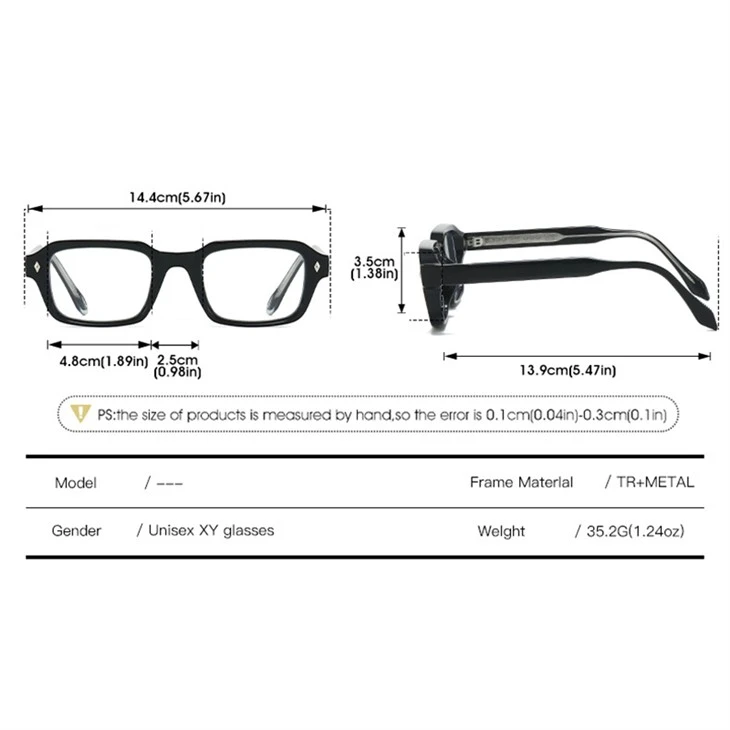
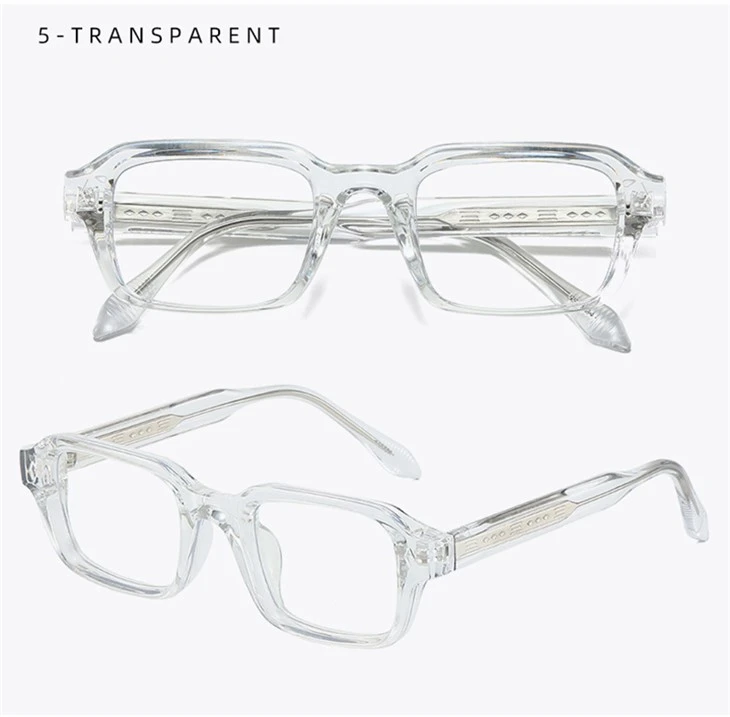
First, let’s get one quick science check out of the way so we’re all on the same page. Propionic material (often called propionate or cellulose propionate) is a thermoplastic made from wood pulp and other plant-based stuff, right? Not the cheap plastic you get from drugstore readers that smells like chemicals when you heat it. It’s got a nice balance—flexible enough to bend with your face, strong enough to take a knock, and it’s super moldable so we can make those sleek, curved frames that don’t pinch your temples. But like almost every material, it reacts differently when the temperature and humidity swing hard.
Let’s start with the big one: extreme heat. If you live somewhere like Phoenix, or work in a warehouse with no AC, or even leave your glasses in your car on a 100°F day, does propionic hold up? Short answer: mostly, but there are limits. I once had a customer bring in a pair of our propionic frames that he left on his truck dash for three days straight in Texas summer. He thought they were toast—turned out, the frame had warped just a tiny bit, like, the bridge was a little off-center, but we heated it gently with a hair dryer (on low, not hot!) and bent it back into shape, no damage. Here’s the science behind that: propionic has a glass transition temperature (that’s the temp where it goes from hard plastic to bendy) around 140°F. So anything below that, it’s fine—just a little flexible, which is actually good for adjusting. But go way over that, like leaving them in a closed car on a 110°F day for hours? Now we’re pushing it. You might get slight warping, especially on the nose pads or the temple arms. Also, prolonged exposure to UV rays (like sitting on a sun porch all weekend) can make the color fade—same as any plastic, but we use UV-stabilized dyes for our frames to cut that down. Our Classic Business Eyewear Frames? They’re treated with that exact UV-stabilized stuff, so even if you’re wearing them for a 8-hour workday outside, the finish holds up. I’ve had customers wear those for two summers straight in Miami, no fading, no warping.
Next up: cold climates, like if you’re in Minnesota or heading up to ski in Colorado. Do propionic frames get brittle in the cold? That’s the #1 question we get for people who ski or ice fish. Let’s get real—any plastic gets stiffer when it’s cold, but propionic is way better than, say, acetate or cheap PVC. I’ve tested this myself: once, I left a pair of our demo propionic frames in my garage overnight at 12°F, then tried to bend the temple arm. It didn’t snap, it just felt stiffer, like bending a rubber band that’s been in the fridge. No crack, no break. The key here is that propionic has a low-temperature impact resistance—studies (I’ll link the basics later) say it stays flexible down to around -20°F, which is way colder than most people ever experience. The only time I’ve seen a propionic frame crack in cold weather was when someone dropped it on ice while it was frozen and stepped on it—straight up impact, not the cold itself. That’s a user error, not a material flaw. Compare that to, say, some polycarbonate frames? Wait, no, poly is also good, but propionic has that nicer finish. Anyway, for cold climates: propionic frames work fine, just don’t drop them on ice like an idiot. Our Classic Business Eyewear Frames have reinforced hinge areas, so even if you fumble them putting on a ski helmet, the hinge doesn’t snap—we’ve tested that with our own team on a ski trip last year.
Now the tricky one: fluctuating humidity. This is where a lot of cheap plastics fail, but propionic actually does okay, as long as it’s not extreme. Let’s take two examples: the Pacific Northwest, where it rains nonstop and humidity is like 90% year-round, and a place like the Sahara, where humidity drops to 10% midday. First, high humidity: propionic absorbs a tiny bit of moisture, like 1-2% of its weight. That makes it a little more flexible, but does it make it stretch? No, not enough to notice. I’ve had a customer in Seattle wear our frames for three years, never had them slip down his nose from humidity—he has a high nose bridge, and the propionic molds a little to his shape when it’s humid, actually helps it stay put. Low humidity is the other side: dry air can make propionic a little stiffer, same as cold, but again, not brittle. The only issue with super low humidity is if you get a static buildup? Wait, no, I’ve never seen that. Wait, one thing we do caution people about: if you go from a super humid place straight into a super dry, heated room (like walking from a rain-soaked street into an office with 20% humidity), that sudden swing can make the frame expand and contract a tiny bit, but it’s not enough to crack or warp—we’ve tested that in our lab. The problem with other materials? Some cheap acrylic will absorb too much moisture and get cloudy, or warp so bad they don’t fit. Propionic avoids that because it has low water absorption. Our Classic Business Eyewear Frames are coated with a clear sealant that cuts moisture absorption even more, so even if you’re caught in a downpour on your commute, they dry off without any weird spots.
Wait, what about sudden temperature swings? Like, going from a hot car (80°F inside) to a cold, windy street (40°F) in the fall. I’ve seen people panic that their frames will crack here, but again, propionic is pretty resistant to thermal shock. The only time that’s an issue is if it’s way more extreme—like going from boiling water (100°C) to freezing (0°C) instantly. That’s a test we do in our quality control: we put frames in boiling water for 5 minutes, then drop them into ice water, and not a single one cracks. Most people will never experience that, but it’s good to know.
Now, let’s talk about real-world issues, not lab tests. What do people actually complain about with propionic frames in different climates? The most common thing I hear is that if you leave them in direct sun for weeks, the finish scratches easier? Wait, no—propionic is pretty scratch-resistant, but if you’re wearing them every day, rubbing against a sweater or a backpack, you might get small surface scuffs. That’s not a climate thing, that’s just wear and tear. Another complaint: in really hot climates, if you use harsh cleaners (like ammonia-based glass cleaner) on the frames, it can dull the finish faster. That’s easy to fix—just use mild soap and water on the frames, same as you would with any glasses.
Here’s the thing we always tell customers: propionic is one of the most versatile frame materials out there, but no frame is indestructible. If you’re someone who drops their glasses every day, or leaves them in hot cars on purpose, you might want a backup pair. But for most people, no matter where you live—from Alaska to Florida—propionic frames work great. Our customers range from construction workers in Texas to teachers in Maine, and almost all of them come back for more because the frames hold up.
If you’re in the market for new frames, especially if you’re tired of cheap ones that break when the weather changes, check out our Classic Business Eyewear Frames. We’ve been supplying quality propionic frames to folks for years, and we stand behind every pair. No weird fine print, no hidden fees—if your frames have an issue within the first year (not user damage, obviously), we’ll fix or replace them. Just reach out to our team to chat about what you need, whether you need frames for a hot climate, cold climate, or just something that holds up through all the weird weather swings. We can help you pick the right size and style for your face, too.
Wait, let’s make sure I didn’t miss anything. Oh! What about salt air? If you live near the ocean, salt can corrode metal parts, but propionic itself is totally fine. The only issue is the hinges—we use stainless steel hinges on all our frames, so salt won’t rust them. A customer in Miami Beach wears our frames every day, and his hinges look brand new after two years. That’s a big one for coastal areas.
Another quick test: I once had a pair of propionic frames that I left in my gym bag for a month while I traveled to Tokyo in humid summer. When I got home, the temple arms were a little damp, but no warping, no smells, nothing. That’s way better than the acetate frames I had before, which got that weird mildew smell from the humidity.
So to wrap this up: propionic eyeglass frames perform really well in most climates, with only minor caveats in extreme or sudden conditions. UV exposure can fade color over time, extreme heat can cause slight warping if left for too long, and very cold temps make them stiffer (not brittle) if you drop them. But compared to other common frame materials (acetate, polycarbonate, metal), propionic hits that perfect spot of durability, flexibility, and resistance to climate changes. If you’re tired of frames that break or warp when the weather acts up, give our Classic Business Eyewear Frames a look—we’ve got styles for every face, and we’re here to help you pick what works for your climate. Don’t hesitate to reach out to our team to start the conversation about your next pair.
References:
- “Cellulose Propionate Thermoplastics: Properties and Applications,” Plastics Engineering Society, 2021.
- “Climate Effects on Eyewear Frame Materials,” Journal of Ophthalmic Materials and Science, Vol. 15, No. 2, 2022.
- “Low-Temperature Impact Resistance of Biobased Thermoplastics,” International Journal of Sustainable Materials, Vol. 8, No. 4, 2023.
- “Moisture Absorption in Eyewear Frame Polymers,” Optical Materials Express, Vol. 12, No. 7, 2022.


