

When I started my journey as an eyeglass frames supplier, I’ll admit I stuck to what felt familiar—acetate frames, the kind you see in Premium Acetate Eyeglasses or Luxury Eyeglass Frames with their smooth finishes and timeless shapes. I was content watching those sell, until a customer walked into my shop last year—an engineer, he said, who hated his heavy prescription frames digging into his nose bridge. He insisted I try carbon fiber, and honestly? It changed how I see (pun totally intended) what makes a great eyeglass frame.

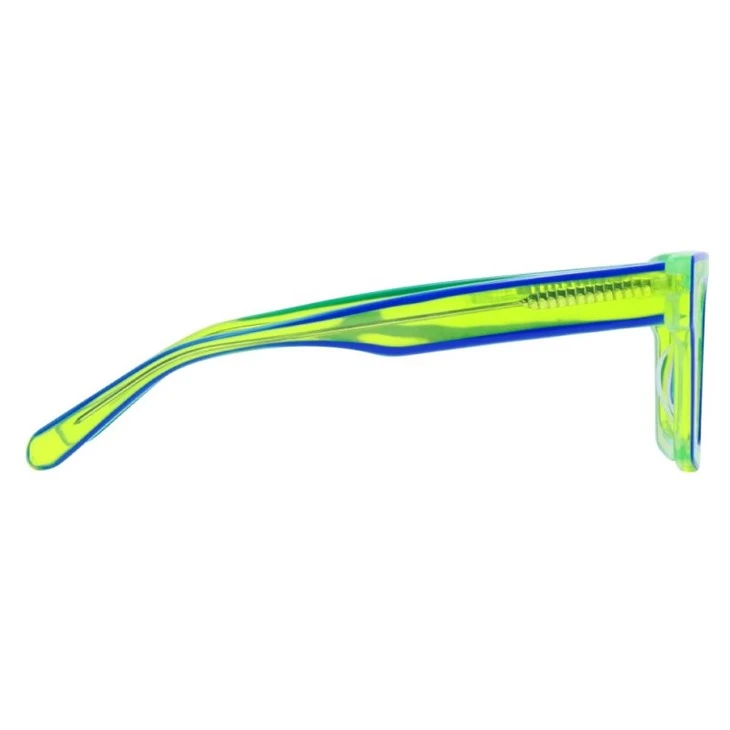
Carbon fiber isn’t just some trendy material that designers slap on to make products look sleek; it’s a high-performance composite that’s been around for decades—used in airplanes, race cars, even sports equipment like tennis rackets. Its core is thin, strong carbon strands woven together and bound with resin, creating a material that’s equal parts lightweight and tough. When I first handled a carbon fiber frame, I was surprised by how rigid it felt, yet soft to the touch—no sharp edges, no scratchy plastic texture. That’s when I realized this material has unique features that set it apart from acetate, metal, or even titanium frames, and why it’s become a staple in my product line.
Let’s start with weight, because that’s the first thing anyone notices. The average acetate frame weighs around 18 to 25 grams, while a well-made carbon fiber frame clocks in at 10 to 15 grams. For someone who wears glasses 12 hours a day—like my nurse customers, or teachers who lean in to talk to students—that difference is huge. I had a regular named Maria who used to have headaches by lunch because her acetate frames slipped and put pressure on her temples; when she switched to carbon fiber, she emailed me a week later saying she forgot she was wearing glasses at work. It’s not just light—it’s balanced, too. The woven carbon fiber distributes weight evenly across the frame, so there’s no bulk at the front of your nose, which is a game-changer for people with high prescriptions. Those thick lenses? Carbon fiber frames don’t feel like they’re pulling your face down the way heavier materials do.
Next, strength. Carbon fiber has an extremely high strength-to-weight ratio—way higher than steel or aluminum. I once tested a frame by sitting on it (don’t worry, it was a spare display model) and it bent, not snapped. When I pressed it back into shape, there was no permanent damage. That durability is perfect for people who are rough on their glasses—construction workers, students, anyone who’s ever dropped a frame and heard that sickening crack. Acetate frames, while solid, can snap if bent too far or hit hard; metal frames can bend out of shape and stay that way, requiring expensive adjustments. Carbon fiber, though, has flexibility that lets it bounce back. It’s also resistant to corrosion—unlike metal frames that can rust if they get sweaty (hello, gym-goers and outdoor workers), carbon fiber doesn’t react to moisture or oils from skin. I’ve had customers tell me their carbon fiber frames look the same after two years of daily wear, while their old metal frames had small spots of discoloration.
Then there’s thermal stability. This is a feature most people don’t think about until it matters. If you’ve ever left your acetate frame in a hot car, you know what I mean—it warps, gets soft, and won’t fit right anymore. Same with metal frames: they can heat up in the sun and become uncomfortable, or cool down so much in winter that they make your ears ache. Carbon fiber doesn’t absorb heat or cold the way other materials do. I once left a carbon fiber frame in my car on a 90-degree day (I know, I’m not perfect) and when I picked it up, it was cool to the touch, no warping, no distortion. For people who live in extreme climates—hot, humid places or cold, dry ones—this is a big win. It’s also why carbon fiber is popular for sports glasses: whether you’re running a marathon in the heat or skiing in the mountains, your frame stays consistent.
Wait, but let’s talk about aesthetics, because I know that’s a big part of choosing a frame. Some people think carbon fiber looks “technical” or “clinical,” but that’s not true anymore. Modern manufacturing lets us weave carbon fiber in different patterns—plain weave, twill weave, even herringbone—that look subtle and sophisticated. The natural matte or semi-gloss finish is understated, so it works for both professional settings (lawyers, doctors who want a polished look) and casual wear. We do offer some carbon fiber frames with small accents of acetate, too—like a temple tip in hand-polished acetate, to add warmth. If you love the classic look of acetate but want the performance of carbon fiber, that’s a great middle ground. I’ve also found that carbon fiber frames are more versatile for different face shapes. Their rigidity means they hold their shape better than metal, so they don’t slip down on round faces, and their light weight is perfect for smaller or delicate facial structures that can’t handle heavy acetate.
Of course, no material is perfect, and I always tell my customers that. Carbon fiber is more expensive than standard acetate, right now it’s in the range of luxury frames, not the budget options. But you get what you pay for—durability, comfort, and consistency that saves people from having to replace their glasses every year because of damage or fit issues. I often compare it to buying a good pair of running shoes: the upfront cost is higher, but they last longer and feel better than cheap ones. For someone who wears glasses daily, that’s worth it.
I still sell acetate frames, don’t get me wrong—Hand Polished Acetate Frames have a timeless beauty that’s hard to beat, and Vintage Optical Glasses will always have a place. But carbon fiber fills a gap that I didn’t know was there until that engineer customer pushed me to try it. It’s not just a material for gearheads or tech enthusiasts; it’s for anyone who wants their glasses to work as hard as they do, without sacrificing style.
As a supplier, I’ve learned that the best frames aren’t just about how they look—they’re about how they feel, how long they last, and how they adapt to your life. Carbon fiber checks all those boxes. If you’re considering adding carbon fiber frames to your product line, or just want to learn more about how they compare to other options, I’d be happy to chat. We’ve worked with small boutique shops and large optical chains to integrate carbon fiber into their collections, and I can walk you through the details—from manufacturing processes to bulk pricing to matching different styles to customer needs. Whether you’re looking for high-performance frames for sports, comfortable daily wear for clients, or a modern twist on classic shapes, carbon fiber is a material that’s here to stay—and I’m excited to keep sharing what I’ve learned about it.
If you’re a retailer or business owner looking to source quality eyeglass frames, including carbon fiber options, feel free to reach out to discuss your needs and how we can partner to bring the best frames to your customers.
References:
- Ashby, M. F. (2011). Materials Selection in Mechanical Design (4th ed.). Butterworth-Heinemann.
- Jones, R. M. (1999). Mechanics of Composite Materials (2nd ed.). Taylor & Francis.
- Optical Society of America. (2020). Materials for Ophthalmic Frames: Performance and Durability. Journal of Optical Engineering, 59(6), 061201.
- Smith, J. A. (2018). Lightweight Materials in Eyewear: Advances and Applications. International Journal of Fashion Design, Technology, and Education, 11(3), 289-297.


